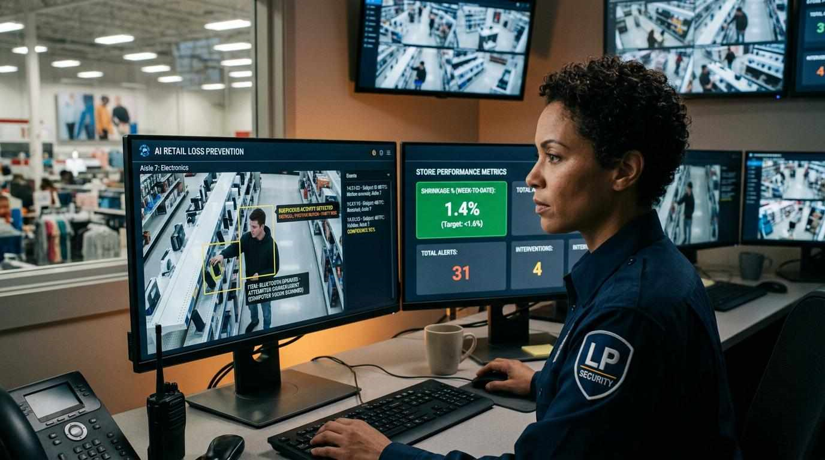
Közvetlen válasz
Az AI által támogatott veszteségmegelőzés a legmagasabb megtérülésű operatív technológiai telepítés, amely ma elérhető a kiskereskedők számára, de csak akkor, ha minden riasztás emberi felülvizsgálatával valósítják meg. A Nemzeti Kiskereskedelmi Szövetség 2024-es felmérése 112 milliárd dollár shrinkot dokumentált az Egyesült Államokban — megközelítve a teljes kiskereskedelmi forgalom 1,5%-át. A szervezett kiskereskedelmi bűnözés több mint 20%-kal nőtt éves szinten. Az AI számítógépes látási rendszerek 25-40%-os shrink-csökkentést mutatnak a telepített helyszíneken. A probléma: a hamis vádak az AI által generált riasztásokból jelentős jogi felelősséget teremtenek, és a munkavállalói lopás a shrink 29%-át teszi ki — egy kategória, amelyet a vevőkkel szembeni kamerák nem fednek le. A CLPO-nak és CFO-nak háromrétegű rendszerként kell telepítenie az AI veszteségmegelőzést: külső lopás észlelése, szervezett bűnözés elrettentése, és belső szivárgás diagnosztizálása.
Vezetői valóság
A kiskereskedelmi shrink az "üzletmenet költsége" sor-ról létezeti fenyegetéssé fejlődött bizonyos kategóriákban és helyszíneken. A gyógyszerláncok egész polcokról számolnak be, amelyeket percek alatt ürítenek ki a nagy értékű termékekből. A barkácsbolt kiskereskedők szisztematikus szervezett lopással szembesülnek a szerszámok és építőanyagok terén. Az élelmiszer-kereskedelemben a hús, az alkohol és a bébiétel lopása növekszik. A profil az alkalmi bolti lopásról profi szervezett kiskereskedelmi bűnözési (ORC) műveletekre változott, amelyek online piactereken keresztül létrehozott viszonteladási csatornákkal rendelkeznek.
A CLPO egy forrásparadoxonnal szembesül. A hagyományos veszteségmegelőzés egyenruhás őrökre és elektronikus áruvédelmi (EAS) címkékre támaszkodik — mindkettő egyre kevésbé hatékony az ORC ellen. Az őrök drágák, negatív vevői élményt teremtenek, és sok joghatóságban nem avatkozhatnak be fizikailag. Az EAS címkéket profi tolvajok booster-ekkel (fóliabéléses táskák) és vágóeszközökkel semmisítik meg.
Az AI számítógépes látás egy más paradigmát kínál: folyamatos monitorozás, viselkedési mintafelismerés, és valós idejű riasztásgenerálás. Az olyan szállítók rendszerei, mint az Aura Vision, a Zensors, és a meglévő LP szolgáltatók (Axis, Hanwha) képesek gyanús viselkedések azonosítására — álldogálás a nagy értékű termékek közelében, ismételt belépés vásárlás nélkül, elrejtési mozdulatok — és riasztást küldenek a személyzetnek a lopás előtt vagy a kilépés pillanatában.
A CFO-nak meg kell értenie a gazdaságtant. Egy tipikus AI LP telepítés 50 üzletes középpiaci kiskereskedőnél évente 1,5-3 millió dollárba kerül (hardver, szoftver, monitorozás, integráció), és 5-8 millió dollár shrink-csökkentést céloz meg — 2,5-3-szoros első éves megtérülés, javulva, ahogy a rendszer tanulja a helyspecifikus mintákat. Azonban ez a matematika három feltevésen alapul: a kiskereskedőnek van mérhető shrinkje, amit csökkenteni lehet; a telepítés a legmagasabb shrinkű helyszíneket célozza először; és a riasztás kezelés nem generál olyan jogi felelősséget, amely meghaladja a megtakarításokat.
A jogi felelősség kockázata valós és növekvő. Több kiskereskedő szembesült perekkel jogtalan fogvatartás, rágalmazás és faji megkülönböztetés miatt pontatlan veszteségmegelőzési riasztásokból fakadóan. Egy AI rendszer, amely 1 000 riasztást generál hetente 5%-os hamis pozitív aránnyal, havonta 50 téves vádot eredményez. Átlagosan 50 ezer dolláros kiegyenlítésnél ez évente 2,5 millió dollár felelősség — potenciálisan elpusztítva a shrink megtakarításokat.
A tétlenség ára
Az eladások 1,4%-át kitevő shrink (US átlag) közvetlenül csökkenti a bruttó haszonkulcsot. Egy 1 milliárd dolláros bevétellel és 35%-os bruttó haszonkulccsal rendelkező kiskereskedőnél az évi 14 millió dollár shrink a teljes bruttó nyereség 4%-át jelenti. Egy olyan üzletben, ahol a nettó haszonkulcs tipikusan 2-4%, a shrink-csökkentés szinte dollár-dollárban a profitba folyik.
A összetett kár a közvetlen veszteségen túl terjed. A lopásból eredő készlethiányok az ellopott termék értékének 2-3-szorosával csökkentik az eladásokat (elvesztett eladás plusz ügyfél-átpártolás). A magas shrinkű helyszíneken dolgozó személyzet demoralizálódást és fluktuációt tapasztal. Az ORC erőszak munkahelyi biztonsági felelősséget és reputációs kárt teremt.
A szabályozási nyomás növekszik. Több állam hozott létre szervezett kiskereskedelmi bűnözési munkacsoportokat fokozott büntetésekkel. A szövetségi törvényhozás (INFORM Consumers Act) most megköveteli az online piacterektől a nagy forgalmú eladói identitás ellenőrzését, megcélozva a viszonteladási csatornát. A kiskereskedők, akik nem tudnak szisztematikus LP erőfeszítéseket dokumentálni, magasabb biztosítási díjakra és csökkentett rendvédelmi prioritásra számíthatnak.
Gyökérok
A shrink tartósan fennáll és nő évtizedes LP befektetések ellenére három strukturális okból.
Először, az ellenséges adaptációs probléma. A veszteségmegelőzési intézkedések szelekciós nyomást hoznak létre. A tolvajok alkalmazkodnak az EAS-hez, ezért a kiskereskedők több címkét adnak hozzá. A tolvajok booster-eket szereznek, ezért a kiskereskedők akusztomágneses rendszereket adnak hozzá. Minden eszkaláció növeli a költséget és a vevői súrlódást, miközben a profi tolvajok az alkalmazkodási sebességgel fenntartják az előnyüket. A statikus LP rendszerek idővel veszítenek a hatékonyságukból.
Másodszor, a láthatósági rés. A hagyományos LP pontszerű lefedettséget biztosít — a kamerák rögzítenek, az őrök járőröznek, a riasztók a kijáratoknál aktiválódnak. Az értékesítési tér tevékenységének túlnyomó többsége valós időben felügyelet nélkül marad. Az AI bezárja ezt a rést folyamatos elemző monitorozással, de bevezeti a hamis pozitív problémát skálán.
Harmadszor, a belső fenyegetés alulbefektetése. A munkavállalói lopás, amely a shrink 29%-át teszi ki, aránytalanul kevesebb figyelmet kap, mert politikailag kényelmetlen, HR közreműködést igényel, és kihívja a szervezet bizalmi kultúráját. A legtöbb LP technológia a külső lopást célozza. A belső szivárgás a készletmanipuláción, a sweetheartingen, a visszatérítési csaláson és a közvetlen lopáson keresztül folytatódik — gyakran olyan munkavállalóktól, akiknek olyan rendszerhozzáférésük van, amely megkerüli a külső kontrollokat.
Keretrendszer: AI Loss Prevention Triangle (AI Veszteségmegelőzési Háromszög)
Három összekapcsolt funkció szerint strukturálom az AI veszteségmegelőzést: észlel, elrettent, és diagnosztizál. Mindegyik eltérő technológiát, eltérő folyamatokat és eltérő szervezeti tulajdonlást igényel.
1. réteg — Észlel (Külső lopás megelőzés)
Cél: Azonosítsa és elfogja a külső lopást, mielőtt a termék elhagyná az üzletet.
Technológiai stack: AI számítógépes látás élő kamerafolyamok elemzésével viselkedési indikátorokra: időzés a nagy értékű termékek közelében, csoportos koordinációs minták, táska/elrejtési viselkedés, ismételt belépés/kilépés vásárlás nélkül. Integráció a POS adatokkal a kosártartalomhoz képest hiányos tranzakciók jelzésére.
Folyamat-tervezés: Az AI riasztásokat generál bizalmi pontszám szerint rangsorolva. Az emberi LP munkatárs áttekinti a riasztást, kamerán figyel, és beavatkozási döntést hoz. A fizikai beavatkozás a vállalati szabályzatot követi (ügyfélszolgálati megközelítés, nem vád). Minden riasztási kimenet naplózva van a modell újratanításához.
Siker-mutató: Shrink-csökkentés az észlelő réteg helyszínein a kontroll helyszínekkel szemben, fizikai készlet alapján mérve. Cél: 20-30%-os csökkentés 90 nap alatt.
2. réteg — Elrettent (Szervezett bűnözés megzavarása)
Cél: Tegye a helyszíneit vonzótlanná az ORC műveletek számára prediktív telepítéssel és gyors reagálással.
Technológiai stack: Mintafelismerés helyszíneken és időben az ORC előfutár viselkedések azonosítására: járműparkolási minták, csoportos belépési időzítés, termékcélzás konzisztenciája. Integráció az iparági ORC adatbázisokkal és rendvédelmi feedekkel. Prediktív analitika az LP erőforrások előre pozicionálásához magas kockázatú időszakokban.
Folyamat-tervezés: A vállalati LP elemző áttekinti a helyszíneken átívelő mintákat, koordinál a rendvédelemmel az ORC munkacsoport részvételében, és kezeli a polgári jóvátételi programokat. Az üzleti szintű személyzet megfigyelésre és jelentésre, nem szervezett csoportokkal való érintkezésre kap képzést.
Siker-mutató: ORC incidens gyakorisága és átlagos veszteség incidensenként. Cél: 30-40%-os csökkentés az ORC eseményekben 180 nap alatt.
3. réteg — Diagnosztizál (Belső szivárgás azonosítása)
Cél: Azonosítsa a munkavállalói lopást és a folyamathibákat, amelyek készletegyezetlenséget teremtenek.
Technológiai stack: POS analitika anomális minták azonosítására: túlzott érvénytelenítések, visszatérítések vevő jelenléte nélkül, fióknyitások tranzakciók nélkül, kedvezmény-jóváhagyási visszaélés. Készlet-analitika, amely helyszíneket jelöl ki tartós ciklikus számlálási varianciával. Integráció az HR rendszerekkel műszak-minta korrelációhoz.
Folyamat-tervezés: Az LP és az HR közösen áttekinti a jelölt mintákat. A vizsgálatok szabványosított protokollt követnek jogi felügyelettel. A fókusz a folyamathibán (képzési hiányosságok, rendszervédtelenségek) van, az egyéni hozzárendelés előtt.
Siker-mutató: Belső lopás azonosítási arány és folyamathiba helyreállítás. Cél: a belső lopási minták 80%-ának azonosítása 30 napon belül a megjelenésüktől; folyamathiba-shrink 25%-os csökkentése 90 nap alatt.
MVA: Minimálisan életképes cselekvés
1-2. hét: Shrink diagnosztika és célválasztás
A CLPO és a CFO közösen áttekinti a shrink adatokat helyszín, kategória és időszak szerint. Azonosítsa a 10 legmagasabb shrinkű helyszínt, amelyek legalább a teljes vállalati shrink 25%-át képviselik. Minden helyszínhez bontsa a shrinkot külső lopásra, munkavállalói lopásra, szállítói csalásra és folyamathibára a rendelkezésre álló adatokkal. Válasszon 3-5 helyszínt az AI LP pilothoz, ahol a külső lopás a legnagyobb komponens.
3-4. hét: AI LP rendszer telepítés
Telepítse az AI számítógépes látást a 3-5 kiválasztott helyszínen. Konfigurálja a kamerákat a nagy shrinkű kategóriák és a kijáratok lefedésére. Integrálja a meglévő kamerainfrastruktúrába ahol lehetséges; adjon hozzá kamerákat csak ahol lefedettségi hiányosságok vannak. Állítsa be a riasztás-irányítást LP munkatársi mobileszközökhöz bizalmi pontszám szerint.
5-8. hét: 30 napos monitorozott pilot
Működtesse az AI LP rendszert kötelező emberi felülvizsgálattal minden riasztáshoz. Automatikus művelet emberi megerősítés nélkül tilos. Az LP munkatársak naplózzák minden riasztási kimenetet: megerősített lopás, gyanús de nem megerősített, hamis pozitív, vagy nem tudta meghatározni. Heti kalibrációs munkamenetek az LP csapat és az AI szállító között az érzékenység beállításához és a hamis pozitívok csökkentéséhez.
Mérjen három mutatót hetente:
- Shrink csökkentés: Ciklikus számlálás a nagy shrinkű kategóriákban 2 hetes időközönként a történelmi bázissal és a kontroll helyszínekkel szemben.
- Riasztási pontosság: A riasztások százaléka, amelyet az emberi felülvizsgálók "meg erősítettként" vagy "gyanúsként" értékeltek. Cél: >70%-os pontosság a 4. hétre.
- Beavatkozási kimenetek: Visszaszerzett áru dollárértéke, kezdeményezett polgári visszaszerzés, rendvédelmi átirányítások. Nyomon követés az LP munkatársi idő munkaerőköltsége ellenében.
- hét: Pilot áttekintés
A CLPO az eredményeket a CFO-nak három lehetőséggel mutatja be: bővítés további magas shrinkű helyszínekre (shrink csökkentés >20% és riasztási pontosság >70%), pilot meghosszabbítása szállítói módosításokkal (vegyes eredmények azonosítható javításokkal), vagy leállítás és megközelítés újraértékelése (shrink csökkentés <10% vagy riasztási pontosság <50%).
Kockázati nyilvántartás
|
Kockázat
|
Valószínűség
|
Hatás
|
Enyhítés
|
|
A hamis vádak pereket generálnak, amelyek meghaladják a shrink megtakarításokat
|
Közepes
|
Nagyon magas
|
Kötelező emberi felülvizsgálat minden riasztáshoz; tilos a vád-alapú beavatkozás; képezze ki az ügyfélszolgálati megközelítésre
|
|
Az AI rendszer faji vagy demográfiai torzítást mutat a riasztásgenerálásban
|
Közepes
|
Nagyon magas
|
Negyedéves torzítási audit a riasztási arányok demográfia szerinti összehasonlításával; szállítói átláthatóság a tanítási adatok diverzitásáról; azonnali szállítócsere, ha torzítást észlel
|
|
A munkavállalói ellenállás a "megfigyeléshez" munkaügyi kapcsolati problémát teremt
|
Közepes
|
Közepes
|
Kommunikálja a külső lopás fókuszt; vonja be az üzleti vezetést a telepítési döntésekbe; ne telepítse titokban
|
|
A szállítói rendszer pontossága nem teljesíti az állításokat a mi környezetünkben
|
Magas
|
Magas
|
Pilot fizetéssel, amely pontossági SLA-hoz kötődik; fenntartja a korábbi LP modellre való visszatérés lehetőségét; a szerződés teljesítmény-alapú felmondási záradékot tartalmaz
|
|
A shrink csökkentés a pilot üzletekben a lopás áthelyeződésével ellensúlyozódik a nem-pilot üzletekbe
|
Közepes
|
Közepes
|
Monitorozza a nem-pilot magas shrinkű helyszíneket a pilot során; koordináljon a rendvédelemmel a regionális ORC hírszerzésben
|
|
A legacy kamera/POS infrastruktúrával való integráció meghaladja a költségvetést
|
Közepes
|
Közepes
|
Előtelepítési technikai értékelés a szállítóval; válassza szét az infrastruktúra-frissítési költségvetést az AI LP költségvetéstől
|
Amit nem szabad tenni
Ne telepítse az AI LP-t kötelező emberi felülvizsgálat nélkül minden riasztáshoz. A teljesen automatizált veszteségmegelőzés — automatikus ajtózárás, nyilvános vád vagy rendvédelmi auto-dispatch — olyan felelősséget generál, amely meghalad minden shrink megtakarítást. A technológia kiegészíti az emberi ítéletet; nem helyettesíti azt.
Ne használja az AI LP-t munkavállalói teljesítménymonitorozó eszközként. A külső lopás észlelésére telepített kamerarendszereket ne használja újra termelékenységi megfigyelésre explicit kollektív alku vagy szabályzati közzététel nélkül. A titkos munkavállalói megfigyelésből származó bizalomrombolás messze meghalad minden operatív előnyt.
Ne hagyja ki a torzítási auditot. Az AI számítógépes látás, amelyet főként bizonyos demográfiai adatkészleteken tanítottak, differenciált hamis pozitív arányokat fog generálni. Ha az LP csapata már így is profilozásnak van kitéve, az AI rendszerezi ezt az észlelést, és jogilag felfedezhető bizonyítékot teremt.
Ne hagyja figyelmen kívül a belső lopási réteget. 2 millió dolláros AI kamerák telepítése, miközben a munkavállalói lopás POS manipuláción keresztül folytatódik, rossz allokáció. A diagnosztizálási réteg egyenlő befektetést igényel a POS analitikába és a HR vizsgálati képességbe.
Ne mérje a sikert riasztási volumennel. Egy rendszer, amely 10 000 riasztást generál hetente 30%-os pontossággal, rosszabb, mint egy rendszer, amely 500 riasztást generál hetente 90%-os pontossággal. Optimalizáljon a pontosságra, nem a tevékenységre.
Skálázás vagy leállítás
Skálázza, ha: A pilot helyszínek >20%-os shrink csökkentést mutatnak, a riasztási pontosság meghaladja a 70%-ot, nincs jogi incidens hamis vádakból, és a CFO által megerősített pozitív megtérülés a teljes telepítési skálán, beleértve a munkaerőt, a technológiát és a jogi tartalék költségeket.
Állítsa le, ha: A riasztási pontosság a szállítói kalibrálás után is 50% alatt marad, a shrink csökkentés 10% alatt van, bármilyen per vagy szabályozási panasz érkezik a pilot telepítésből, vagy az LP munkatársi idő költsége meghaladja a shrink megtakarításokat.
Fordítson irányt, ha: A külső lopás AI határeset, de a POS analitika a belső lopáshoz erős eredményeket mutat. Irányítsa át a befektetést a diagnosztizálási rétegre, miközben figyeli a számítógépes látás technológiai érettségét a jövőbeli külső észlelő telepítéshez.
GYIK
K: Hogyan kezeljük a joghatóságokat, amelyek korlátozzák az arcfelismerést? V: A legtöbb modern AI LP rendszer nem igényel arcfelismerést. A viselkedési mintafelismerés (időzés, mozgásminták, elrejtési mozdulatok) nem azonosít egyéneket, és kevesebb jogi aggodalmat vet fel. Erősítse meg szállítója tényleges technikai megközelítését, nem a marketing leírását.
K: Mi az egyenruhás őrök szerepe egy AI LP környezetben? V: Az őrök az észlelésről a válaszadásra váltanak. Az AI biztosítja az észlelést; az őrök biztosítják az emberi beavatkozást. A legtöbb telepítésben az őrök száma 20-30%-kal csökken, miközben az őrök hatékonysága növekszik, mert konkrét riasztásokra reagálnak, nem véletlenszerűen járőröznek.
K: Hogyan kezeljük a munkavállalói megfigyelés érzékelését? V: Átláthatóság. Tegye közzé az AI LP szabályzatot, amely lefedi, mi van monitorozva, hogyan kezelik a riasztásokat, és hogyan tárolják az adatokat. Vonja be az üzleti vezetést a telepítési döntésekbe. Világosan különítse el a vevői területi monitorozást (lopás észlelés) és a korlátozott területi monitorozást (biztonság és folyamat).
K: Meg kell osztanunk az AI LP adatokat a rendvédelemmel? V: Hozzon létre adatmegosztási megállapodást a telepítés előtt, amely meghatározza, mi osztható meg, milyen körülmények között, és milyen jogi eljárással. A proaktív ORC hírszerzés megosztása a szervezett kiskereskedelmi bűnözési munkacsoportokkal általában előnyös. Az egyéni riasztás-megosztás eseti jogi áttekintést igényel.
K: Mi a reális ütemterv a vállalati szintű AI LP telepítéshez? V: 6-9 hónap a pilot indításától 100 helyszíni telepítésig, feltéve a pilot sikerét. Adjon hozzá 3 hónapot a többszállítós értékeléshez, ha a pilot szállító alulteljesít. A korlátozás általában a szervezeti változás-menedzsment, nem a technológiai telepítés.
Végső ajánlás
Az AI veszteségmegelőzés egyik legtisztább technológiai megtérülési esete a kiskereskedelemben, de a telepítési fegyelem határozza meg, hogy a befektetés megtakarítást vagy felelősséget eredményez-e. A CLPO-nak és CFO-nak a legmagasabb shrinkű helyszíneket kell megcéloznia először, kötelező emberi felülvizsgálattal minden riasztáshoz kell telepítenie, kiegyensúlyozva kell működtetnie az észlel-elrettent-diagnosztizál háromszöget, és shrink-csökkentéssel és riasztási pontossággal kell mérnie a sikert — nem technológiai telepítési mutatókkal. Egy olyan környezetben, ahol a szervezett kiskereskedelmi bűnözés eszkalálódik és a hagyományos LP kudarcot vall, az AI-támogatott veszteségmegelőzés nem opcionális a 500 millió dollár feletti bevételű kiskereskedők számára. Túlélési infrastruktúra.



 Die Entstehung von generativem KI in der Rechtspraxis hat eine seismische Verschiebung ausgelöst, wie die Anwaltskanzleien Wert, Preis und Rentabilität konzeptualisieren. Die abrechnungsfähige Stunde diente seit Jahrzehnten als Eckpfeiler der Rechtsökonomie – ein einfacher Austausch von Zeit für Know-how. Da künstliche Intelligenz von Tagen bis Minuten Forschungszeiträume komprimiert, stellt der Beruf eine existentielle Frage, wie man für maschinell erweiterte Rechtsarbeit gerecht wird.